Sciatica: Causes, Symptoms and Treatment Options
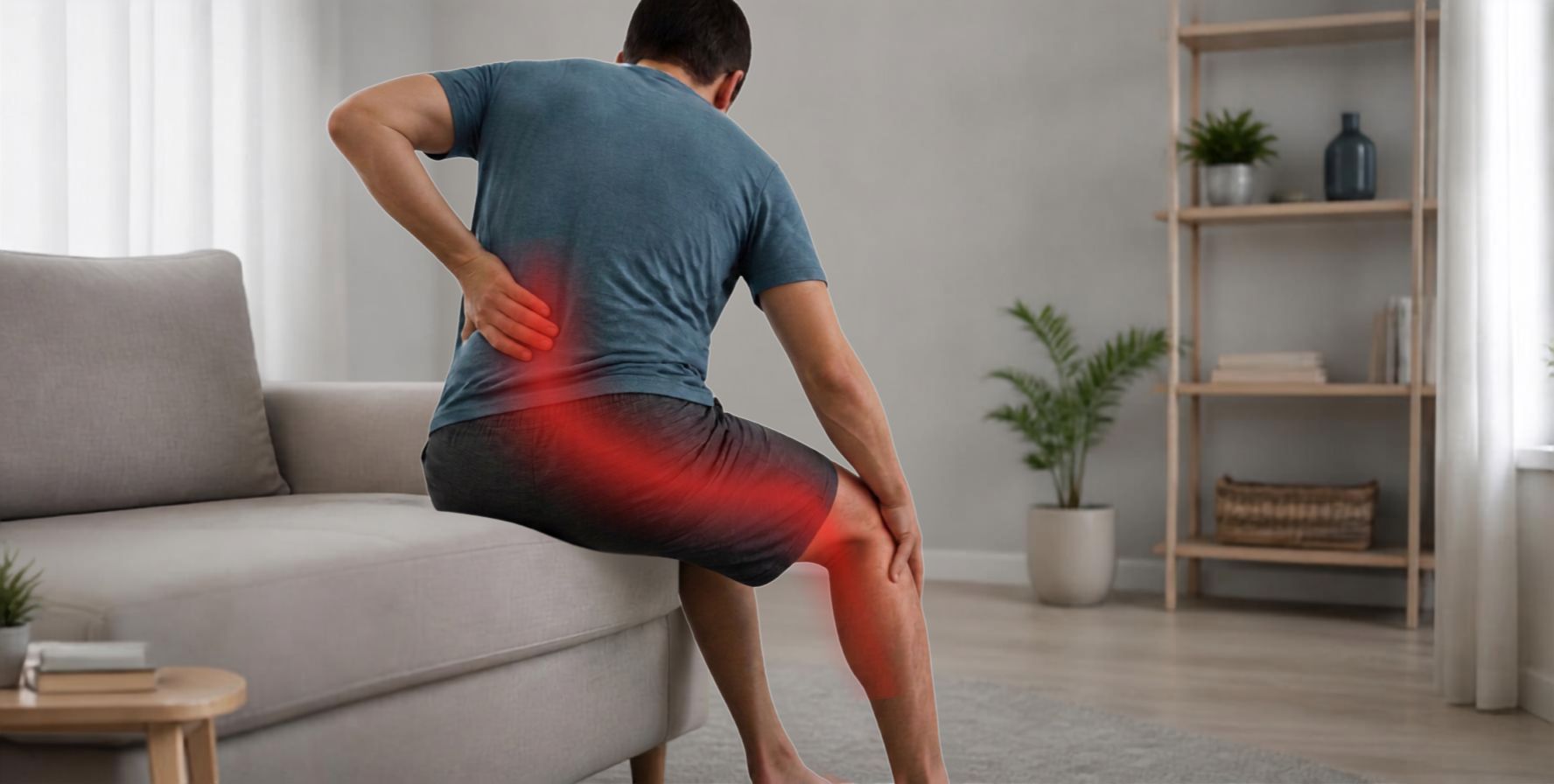
Sciatica: Causes, Symptoms and Treatment Options
Sciatica can cause pain that travels from the lower back or buttock into the leg, sometimes accompanied by tingling, numbness or weakness. For some people, the symptoms can make sitting, walking, working or sleeping uncomfortable.
The good news is that many cases of sciatica improve over time, particularly when people remain appropriately active and receive the right advice and care.
Understanding what may be contributing to your symptoms can help you know what to do next.
What is sciatica?
Sciatica describes symptoms associated with irritation or compression of the sciatic nerve or its nerve roots.
The sciatic nerve is formed from nerves that originate in the lower part of the spine. It travels through the buttock and down the back of the leg, with branches extending towards the lower leg and foot.
When the nerve or the nerve roots supplying it become irritated, symptoms can occur along the pathway of the nerve.
Sciatica is different from general lower back pain because symptoms can extend into the buttock and leg. However, not all pain that travels down the leg is necessarily caused by irritation of the sciatic nerve. This is why an individual assessment can be useful when symptoms persist or are difficult to manage.
What does sciatica feel like?
Sciatica can feel different from person to person. Common symptoms can include:
-
Sharp, shooting or electric-like pain
-
Burning or aching pain
-
Pain travelling from the lower back or buttock into the leg
-
Tingling or pins and needles
-
Numbness
-
Weakness in the leg or foot
Sciatic symptoms commonly affect one side of the body, although this is not always the case.
Some people notice that particular activities or positions, such as prolonged sitting, bending or certain movements, make their symptoms worse. Others may find that gentle movement or changing position provides some relief.
What causes sciatica?
There are several possible causes of sciatic symptoms.
Disc-related irritation
The discs between the vertebrae of the spine help absorb load and allow movement. Changes to a disc, including a disc bulge or herniation, can sometimes irritate or compress a nearby nerve root.
Changes within the spine
Changes to the joints, bones and other structures around the spine can sometimes reduce the space available for the nerves.
For example, age-related changes such as arthritis or narrowing around the spinal canal or nerve openings can contribute to nerve irritation in some people.
Spondylolisthesis
Spondylolisthesis occurs when one vertebra moves in relation to another. In some cases, this can contribute to narrowing around the nerves and may be associated with symptoms travelling into the leg.
Other factors
The source of sciatic symptoms is not always straightforward. Several factors can contribute to pain, including changes in movement, physical loading, previous injuries and other musculoskeletal issues.
An assessment can help determine what may be contributing to your symptoms and whether further investigation or medical assessment is appropriate.
How long does sciatica last?
There is no single timeframe for recovery from sciatica.
Some people experience a short episode that gradually settles over several weeks. Others may experience symptoms for longer or have episodes that come and go.
Recovery can depend on factors such as the underlying cause, severity of symptoms, activity levels and overall health.
If your symptoms are not improving, are getting worse or are significantly affecting your ability to work or carry out everyday activities, it is worth seeking professional advice.
What can you do for sciatica?
When you are experiencing sciatic symptoms, it can be tempting to stop moving altogether. However, prolonged bed rest is generally not recommended for most people with lower back and leg pain.
Depending on your symptoms, some helpful strategies may include:
Keep moving within comfortable limits
Gentle movement and normal daily activities, as tolerated, can help you maintain mobility. You may need to temporarily modify activities that significantly aggravate your symptoms.
Change positions regularly
If sitting for long periods makes your symptoms worse, try changing position regularly and incorporating short periods of movement throughout the day.
Gradually return to normal activities
As your symptoms improve, gradually increasing your usual activities can help you regain confidence and function.
Consider heat or cold
Some people find that a heat pack or cold pack provides temporary relief. Use whichever feels more comfortable for you and follow appropriate safety precautions.
Seek professional advice when needed
If symptoms persist, worsen or are interfering with your normal activities, a healthcare professional can assess your symptoms and help determine an appropriate management approach.
Treatment for sciatica
Treatment for sciatica depends on the individual’s symptoms, examination findings and suspected cause.
A chiropractor or physiotherapist may assess your spinal and lower-limb movement, strength, neurological function and the factors that may be contributing to your symptoms.
Depending on the assessment, management may include:
-
Education about your symptoms
-
Advice about activity and movement
-
Exercise-based rehabilitation
-
Strength and mobility exercises
-
Manual therapy where appropriate
-
Strategies to modify activities that aggravate symptoms
-
A gradual return to work, exercise or other normal activities
The aim of treatment is not simply to treat the location of the pain, but to understand the individual presentation and develop an appropriate management plan.
In some circumstances, further medical assessment or investigations may be recommended.
Can a chiropractor or physiotherapist help with sciatica?
Both chiropractors and physiotherapists can assess musculoskeletal conditions that may involve lower back and leg symptoms.
Your practitioner can discuss your symptoms, assess your movement and neurological function, and consider whether conservative management is appropriate for you.
Treatment may involve education, exercise, rehabilitation and manual therapy, depending on your individual presentation.
Importantly, persistent or unusual symptoms may require assessment by another healthcare professional. Your practitioner can discuss whether referral to your GP or another healthcare provider may be appropriate.
When should you seek medical attention?
Most cases of lower back and leg pain are not emergencies. However, some symptoms require prompt medical assessment.
Seek urgent medical attention if you develop:
-
New or worsening significant weakness in one or both legs
-
Numbness around the genitals, anus or inner thighs (sometimes described as saddle numbness)
-
New difficulty controlling your bladder or bowel
-
Loss of sensation associated with bladder or bowel changes
-
Severe symptoms following significant trauma
These symptoms can indicate a more serious problem requiring urgent assessment.
You should also speak with your doctor if you have other concerning symptoms, significant unexplained weight loss, a history of cancer, fever or generally feel unwell alongside your back or leg symptoms.
If you are unsure whether your symptoms require urgent attention, seek medical advice.
Frequently asked questions about sciatica
Is sciatica the same as lower back pain?
No. Lower back pain can occur without any symptoms in the leg. Sciatica generally refers to symptoms associated with irritation or compression of the sciatic nerve or its nerve roots and may cause pain, tingling, numbness or weakness extending into the leg.
Can sciatica go away on its own?
Many episodes of sciatica improve over time. Recovery varies between individuals and depends on the underlying cause and other factors. If symptoms are persistent, worsening or significantly affecting your daily life, professional assessment is recommended.
Should I walk with sciatica?
For many people, gentle movement such as walking can be appropriate and may help them maintain normal activity. However, the amount and type of activity should be guided by your symptoms. If walking significantly increases your symptoms or you develop increasing weakness or neurological symptoms, seek professional advice.
Is sitting bad for sciatica?
Sitting is not necessarily harmful, but some people find that prolonged sitting aggravates their symptoms. If sitting is uncomfortable, changing positions regularly and taking short movement breaks may help.
Should I see a chiropractor or physiotherapist for sciatica?
A chiropractor or physiotherapist can assess lower back and leg symptoms and provide advice about appropriate management. The most suitable approach depends on your individual symptoms and examination findings. In some cases, referral to your GP or another healthcare professional may be appropriate.
When is sciatica an emergency?
Sciatica requires urgent medical assessment when it is accompanied by symptoms such as significant or worsening leg weakness, numbness around the genitals or anus, or new bladder or bowel control problems. These symptoms should not be managed by waiting for a routine appointment.
Sciatica treatment in Gippsland
If you are experiencing lower back or leg symptoms, McMillan Allied Health Care has healthcare practitioners available across our Gippsland locations.
Our Sale clinic offers chiropractic services along with a range of other allied health services.
Our Bairnsdale clinic offers chiropractic and podiatry services.
Our Traralgon clinic offers chiropractic, myotherapy, and remedial massage services.
The right practitioner and treatment approach will depend on your symptoms and individual circumstances.
If you are experiencing persistent or troublesome lower back or leg pain, an assessment can help you understand what may be contributing to your symptoms and what options may be appropriate for you.
Book an appointment with McMillan Allied Health Care in Sale, Bairnsdale or Traralgon to discuss your symptoms and treatment options.